Everything you need to know before you book — how we prepare you, what the 9 days look like, and what to bring.
You submit your application — we ask about your fitness background, altitude experience, and which expedition you're targeting. Once confirmed, your lead guide contacts you directly within 48 hours.
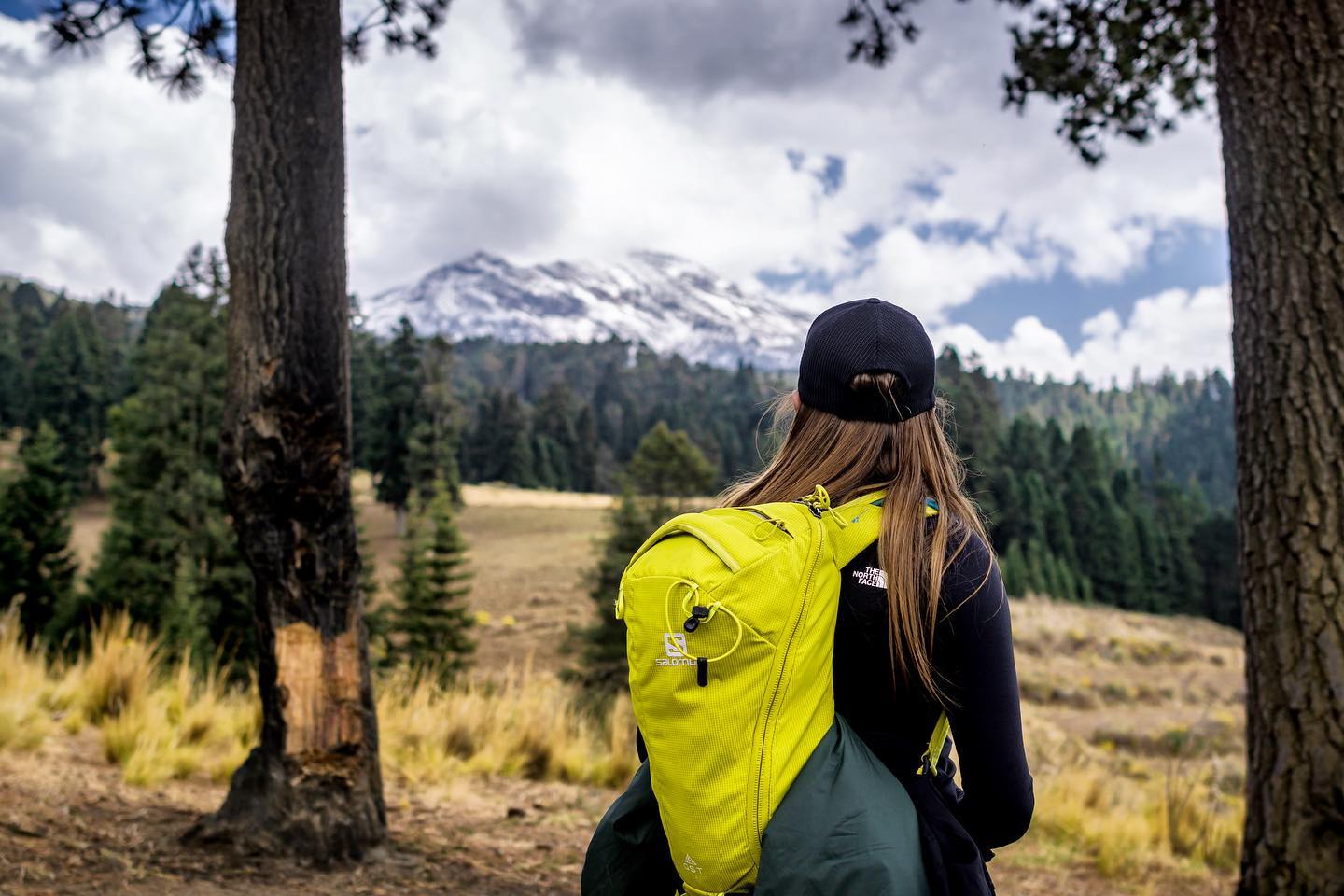
You fly into Mexico City or Puebla. We meet you at the rendezvous point — no logistics on your end. Day 1 is in Puebla: gear check, team introductions, full route briefing. Day 2, we drive to the cabins at the base of La Malinche (3,000m) — your first night at altitude, and the start of the acclimatization sequence.
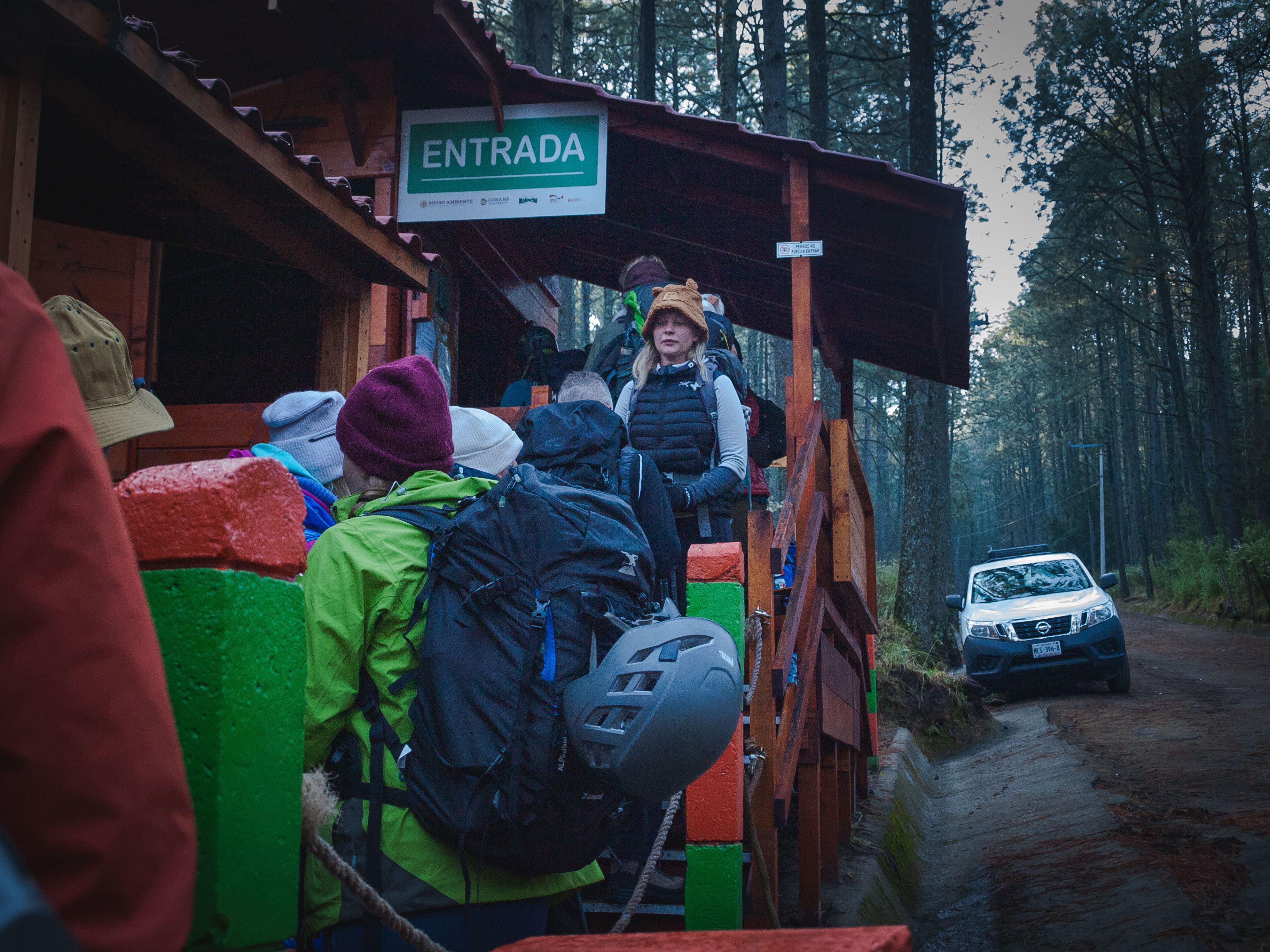
Your first summit and your altitude test. La Malinche is a non-technical volcano that tells you everything you need to know about how your body responds above 4,000m. The summit at 4,461m gives you your first real taste of thin air — and sets the foundation for what comes next.
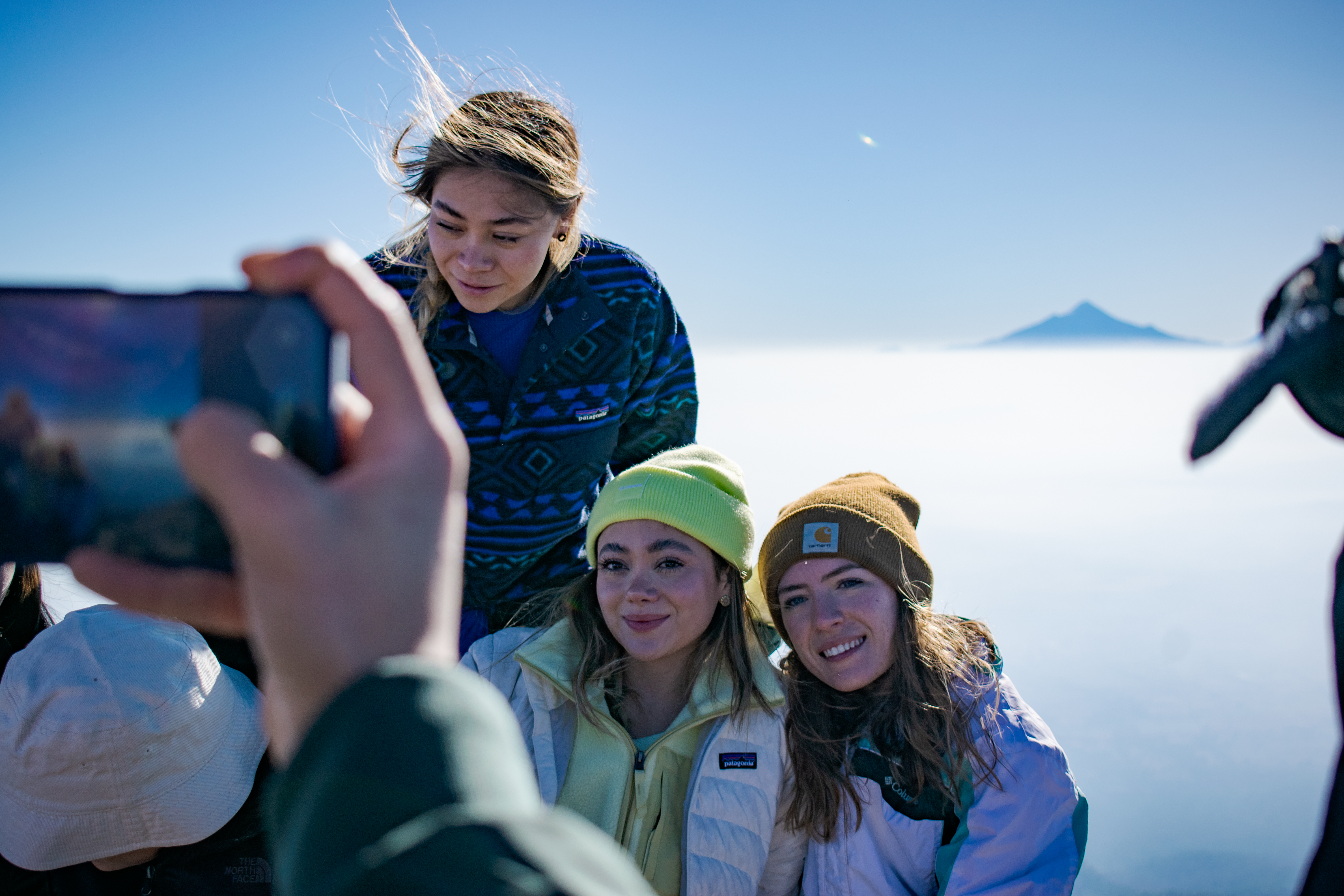
Day 4, we drive through Cholula and up to La Joya base camp — arriving at noon, setting camp, reviewing technical skills in the afternoon. Summit push starts at midnight. Iztaccíhuatl's iconic profile — the Sleeping Woman — earns its reputation on the way up. The views of Popocatépetl from the summit are unlike anything else.
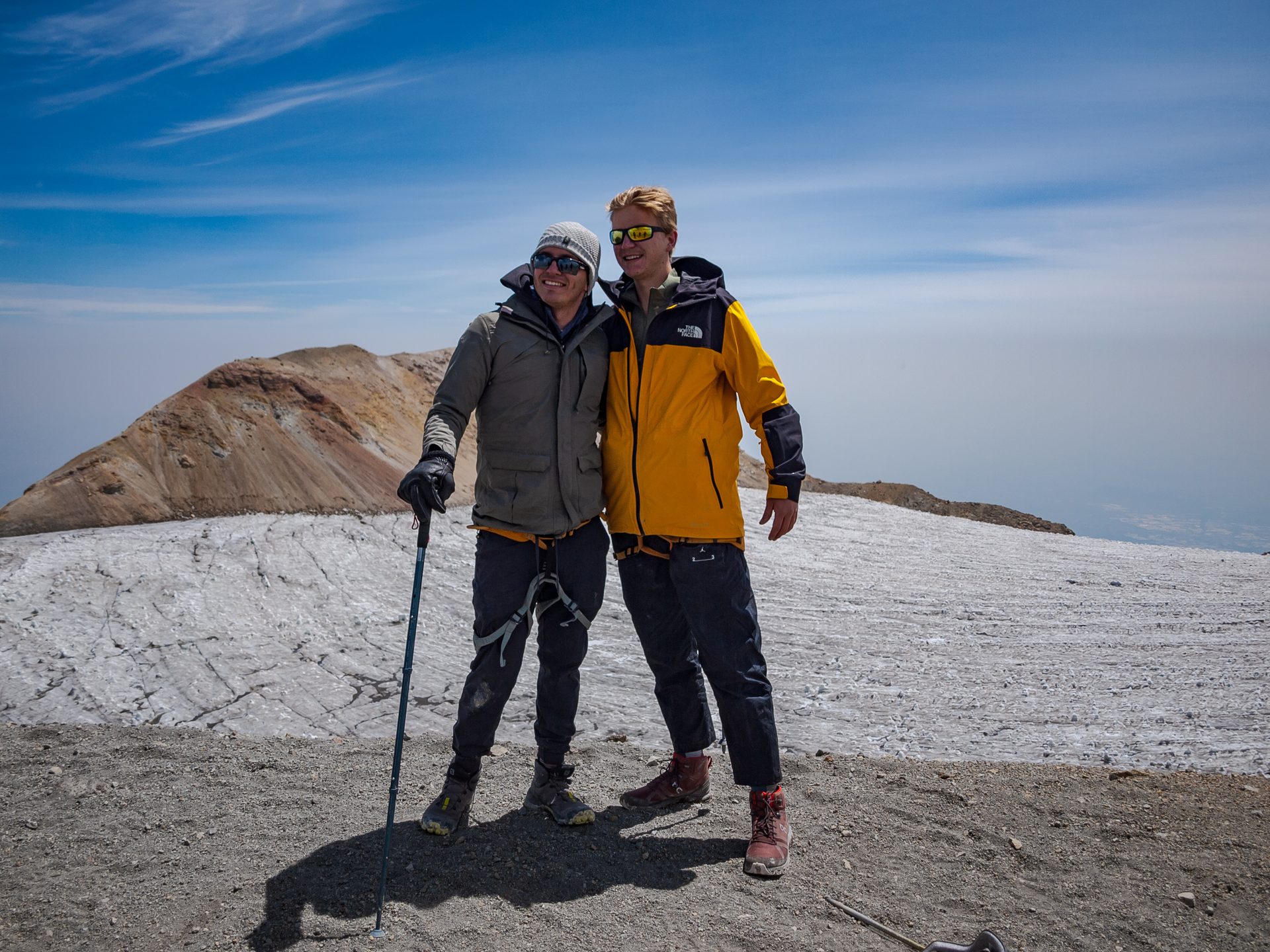
After two summits, your body needs a full day to recover and consolidate the altitude gains. Day 6 is intentionally empty — sleep, eat, walk around the city. The evening brings a team dinner and the final briefing before Pico de Orizaba.
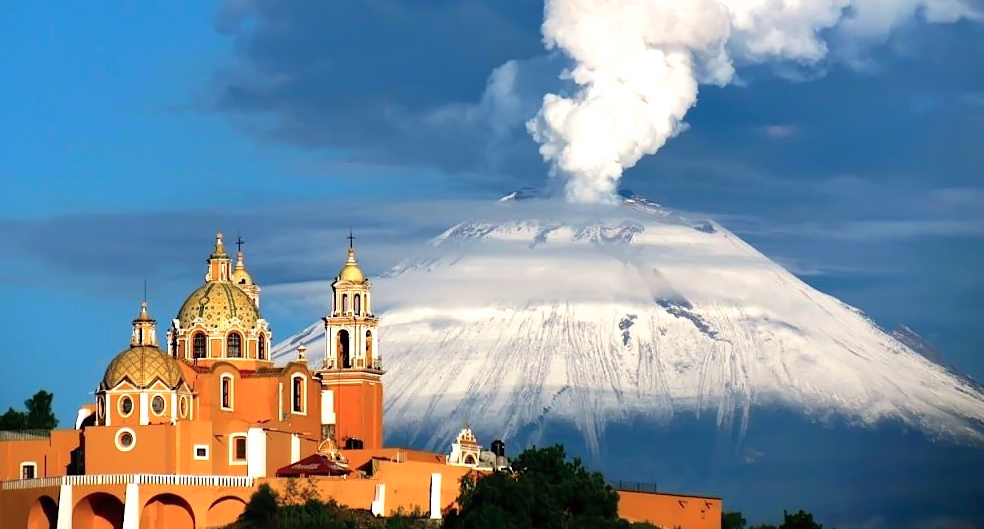
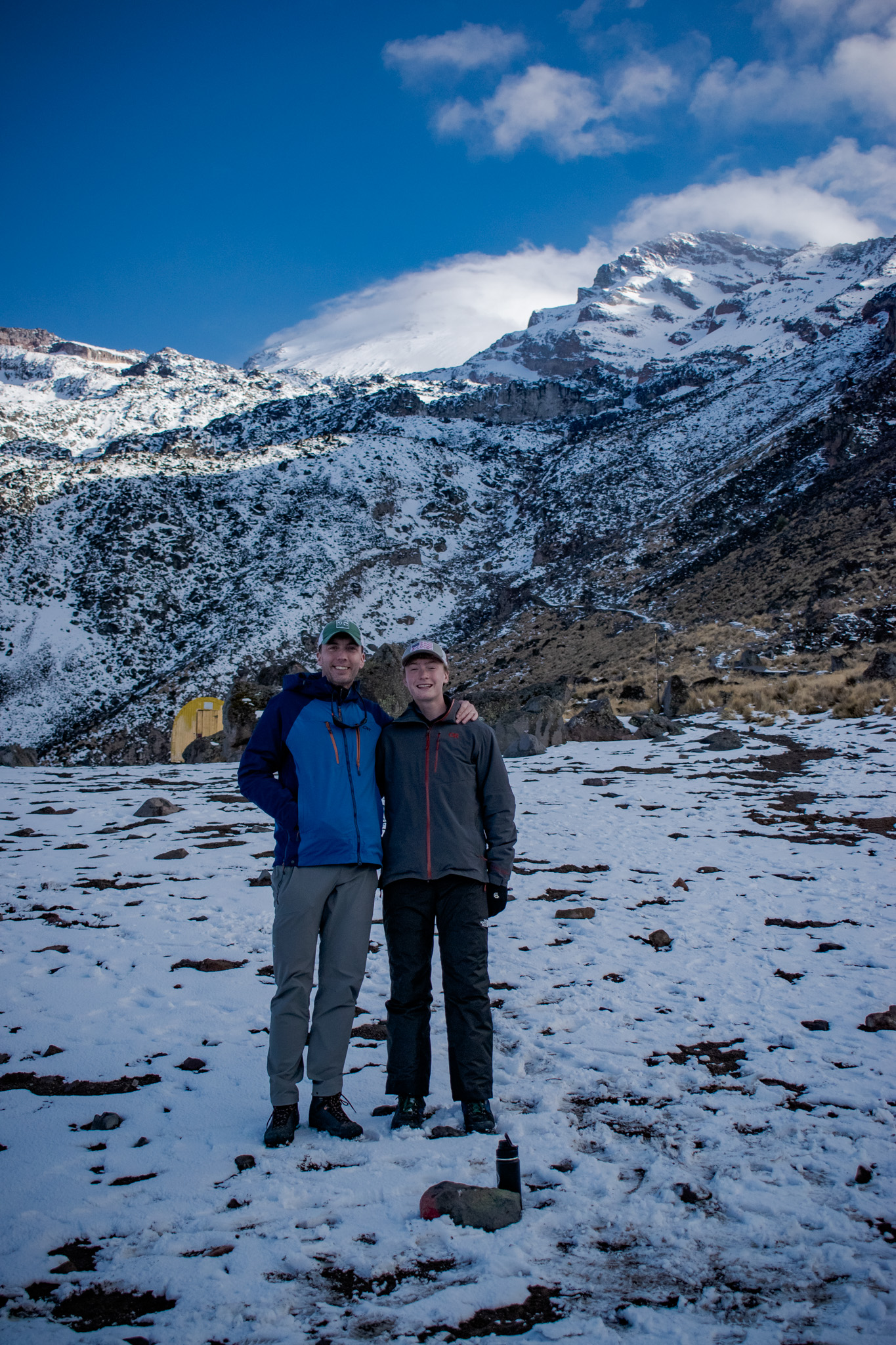
A 2-hour drive from Puebla brings you to Tlachichuca — a small town at 2,680m sitting directly below Orizaba. Breakfast there, then into 4x4s for the rough track up to Piedra Grande base camp at 4,260m. Afternoon gear check, summit briefing at 2pm, dinner at 4pm. Sleep early. You wake at 11pm.
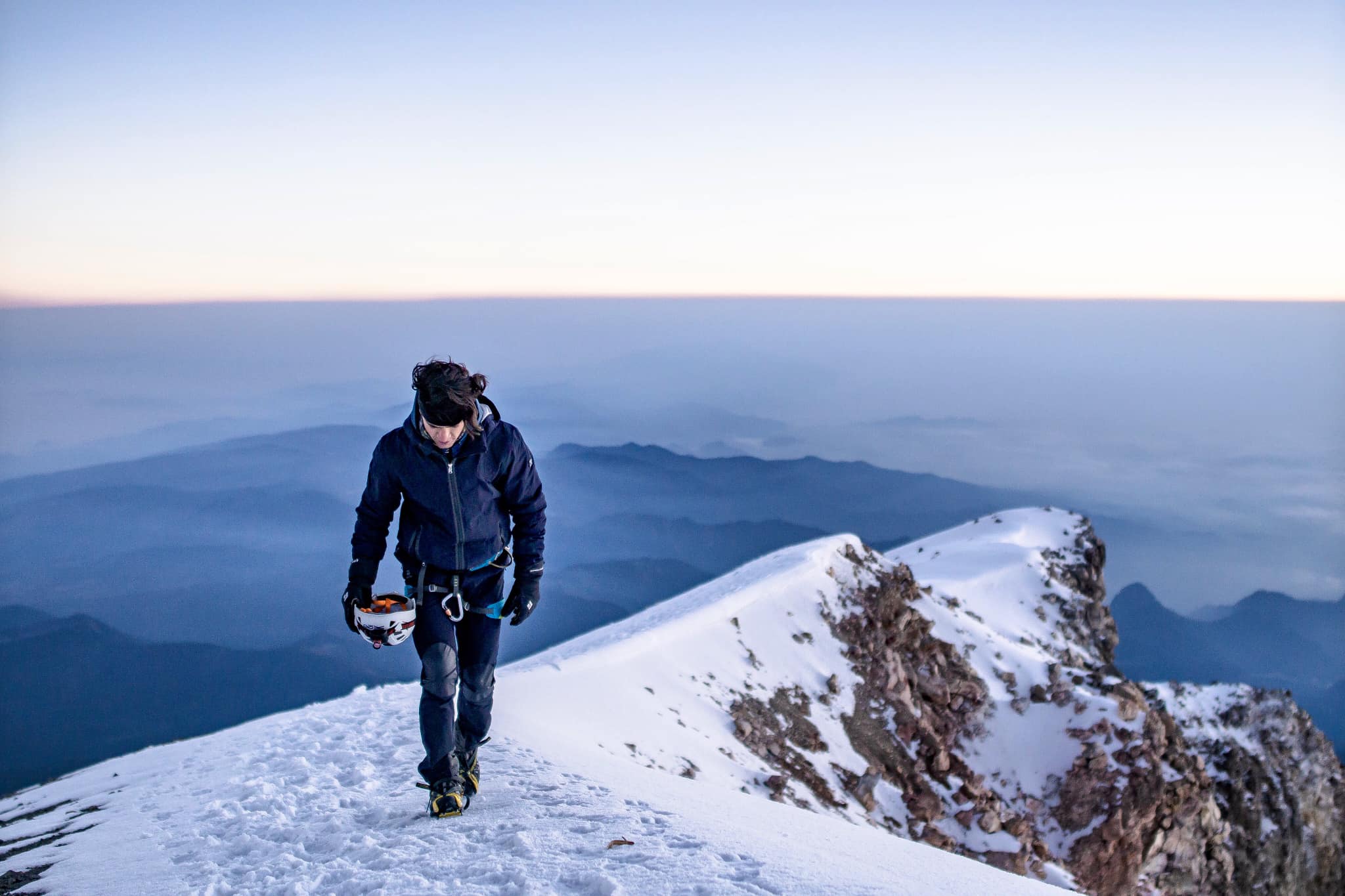
The main event. Headlamps on, midnight departure from Piedra Grande. The sky shifts from black to deep blue as you gain altitude. You push through the thin air guided step by step — summiting between 8 and 9am. The crater rim at dawn. This is the one.
Sent after you confirm your expedition. Designed for climbers who already hike regularly — it builds the aerobic base and leg strength specific to sustained vertical gain at altitude.
Scheduled 2 weeks before departure via WhatsApp. Your lead guide reviews your fitness, answers every question, and goes over the route in detail. Everything in writing — so you have a clear record of every detail before you arrive.
Above 4,000m, most people notice reduced oxygen availability — shorter breath, slower pace, the need to stop more often. This is normal and expected. It's not a sign of weakness. It's physiology.
Above 5,000m, the air contains roughly 54% of the oxygen available at sea level. Your body compensates by breathing faster and your heart works harder. Proper acclimatization is what makes the difference between turning back and summiting.
Our three-volcano sequence is specifically designed around acclimatization science — La Malinche first, then Iztaccíhuatl, then Orizaba. Each summit builds on the last. Most of our clients who follow the protocol summit all three peaks.
The complete gear list is sent after you confirm. Below is a summary of what's provided by Althara and what you need to bring.
Still have questions? Email us at hello@altharaexpeditions.com — your lead guide will respond personally.
The volcanoes are located in Puebla and Veracruz state — regions with safety profiles comparable to rural Colorado. Our base camps are remote, controlled environments far from urban areas. We've run expeditions here for years without security incidents. We're happy to share detailed information about the specific areas we operate in.
For Iztaccíhuatl — no. If you've done 14ers in Colorado or similar long-day hikes at altitude, you have the base. For Pico de Orizaba, you'll use crampons and an ice axe on the glacier section. We teach this on-site before the summit attempt — no prior experience required, but solid physical fitness is essential.
Your highest 14er tops out around 4,400m. Pico de Orizaba is 5,636m — 4,000 feet higher, with real glacier terrain and altitude effects that don't exist in Colorado. At that elevation you're operating at roughly 54% of sea-level oxygen. It's a fundamentally different physical challenge — and a summit that less than 1% of climbers in North America have reached.
We never guarantee a summit — mountains make the final call. What we guarantee is expert guidance, proper acclimatization, and the best possible preparation to give you every chance of success. Weather and individual altitude response are factors outside our control. Our cancellation and partial refund policy is detailed in the expedition agreement.
November through March is the dry season — the best snow and ice conditions, clearest weather windows, and most stable climbing conditions. December and January tend to have the most consistent weather. We run expeditions throughout this window and advise on optimal timing based on current forecasts once you're booked.
Absolutely. We offer individual expeditions for Pico de Orizaba and Iztaccíhuatl, as well as the Mexico Triple Crown combining all three volcanoes. The Triple Crown is our flagship because the acclimatization sequence — La Malinche, then Iztaccíhuatl, then Orizaba — significantly improves your summit chances on the big one. But each volcano stands completely on its own as a serious objective.
Click "Apply Now" anywhere on the site and send us a short message with the expedition you're interested in, your target dates, and a brief note about your fitness and hiking background. We'll respond within 48 hours with availability and next steps. No long forms — just a real conversation.